
My Story - Dr Prabath
By Dr. Prabath, Founder of Millionaire Health Habits & Owner of Unique Medical Cranbourne, Australia
Live Richer in Every Way
By Dr prabath
- The Road To Hell
- Who Am I Now, At Almost Fifty
- Why I Created MH
- What's My Method
- What's My Aim For Myself And My Readers
- Newsletter 1
- Newsletter 2
- Newsletter 3
- Newsletter 4
- Newsletter 5
- Newsletter 6
- Newsletter 7
- Newsletter 8
- Newsletter 9
- Newsletter 10
- Newsletter 11
- Newsletter 12
- Newsletter 13
- Newsletter 14
- Newsletter 15
- Newsletter 16
- Newsletter 17
- Newsletter 18
- Newsletter 19
- Newsletter 20
- Newsletter 21
- Newsletter 22
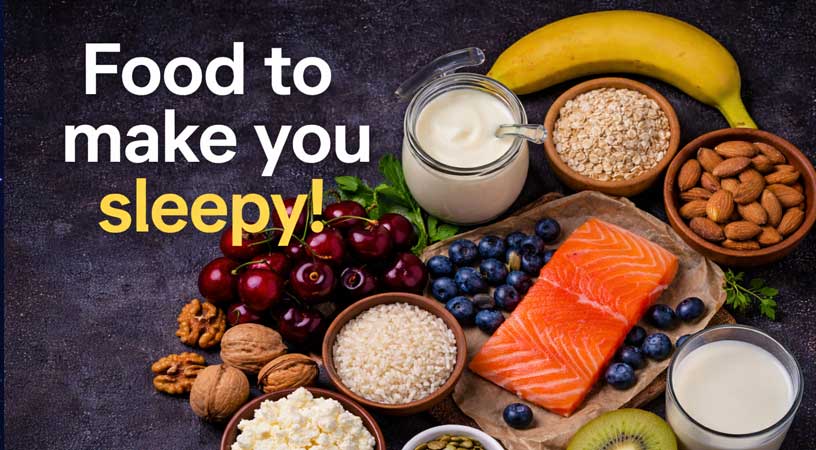
Food to make you sleepy!
So what’s the point of knowing all about Melatonin! I don’t want to give you useless scientific jargon because I am a geek. I want to provide you with the scientific jargon followed by practical tips, so that you don’t curse me
So, here’s s a list of some of the best foods to eat for quality sleep, along with why they work
1. Tart Cherries (or Tart Cherry Juice)
Why it works
Tart cherries are one of the richest natural food sources of melatonin, the hormone that regulates your sleep-wake cycle. According to scientific studies, drinking tart cherry juice or eating tart cherries in the evening can help boost melatonin levels and improve sleep quality and duration.
2. Almonds
Almonds contain melatonin and magnesium, minerals that help relax muscles and calm the nervous system. These minerals aid in falling asleep and improve sleep quality.
3. Walnuts
Like almonds, walnuts contain healthy omega-3 fatty acids that support brain health and reduce inflammation, potentially promoting better sleep.
4. Kiwi
Kiwi has been shown to improve sleep onset, duration, and efficiency. It’s rich in antioxidants and serotonin precursor (serotonin is converted to melatonin), which may enhance mood and regulate sleep.
5. Fatty Fish (Salmon, Tuna, Mackerel)
Fatty fish is rich in omega-3 fatty acids and vitamin D. Both nutrients regulate serotonin, which helps produce melatonin and promote a healthy sleep cycle.
6. Warm Milk
Milk contains tryptophan, an amino acid precursor to serotonin and melatonin. The warmth may also have a soothing effect that helps promote relaxation before sleep.
7. Bananas
Bananas provide magnesium, potassium, and vitamin B6. Magnesium and potassium are natural muscle relaxants, while B6 helps convert tryptophan to serotonin and melatonin.
8. Oats
Oats are a source of melatonin and complex carbohydrates, which help increase the availability of tryptophan in the bloodstream and facilitate its uptake by the brain.
9. Chamomile Tea
Chamomile contains apigenin, an antioxidant that binds to receptors in the brain to reduce anxiety and induce sleepiness, making it a popular natural sleep aid.
10. Passionflower Tea
Passionflower increases gamma-aminobutyric acid (GABA) in the brain—a neurotransmitter that reduces brain activity and promotes relaxation, facilitating sleep.
11. Herbal Teas (Lavender, Lemon Balm)
Herbs like lavender and lemon balm have mild sedative properties. They often reduce anxiety, promote calm, and aid restful sleep.
After going through this list, I hope you don’t eat all this food in the hope of a great night’s sleep! Pick one food per night and see which one works for you.
Apart from the food mentioned above, do the following to maximise melatonin production
1. Keep a regular sleep schedule
This means going to bed and waking up simultaneously, even on weekends. Imagine running the sleep race and ending the sleep race every day at the same time, and imagine Melatonin as the starting judge firing the pistol? You are guaranteed to have the judge coming on time to fire the starting pistol every day if you make it to the starting lineup every day at the same time, isn’t it
2. Get plenty of sunlight during the morning time
During the winter, this advice is not very practical for office workers or anybody working indoors, as it’s dark when you enter the building, and it’s dark when you exit the building. So, when driving, I advise avoiding sunglasses to get that natural light to hit your retina and send the message to SCN. Also, during lunch or tea break, get out and get some sunlight whenever possible. Don’t ever spend the whole day inside a building, as you are going to confuse your Melatonin secretion
3. Dim the light in the evening
So you come home after spending the whole day inside a building and then turn on all your house lights? What madness is that? It’s as if you are signalling to the brain to say it’s daytime. So what should you do? Be romantic, use candles, dimmers, Philip hue lights, etc. Remember, darkness stimulates melatonin production
4. Avoid blue light before bedtime
All our devices including TV, iPads and phones emit blue light which destroys the sleep hormone Melatonin, thus postponing the

Copyright © 2024 Millionaire Health Habit. All Rights Reserved.
Powered by Creativedot.com.au